What Should I Do If My Pipe Bursts in Toronto?
A burst pipe is one of the most stressful plumbing emergencies a homeowner can experience. Within minutes, a broken pipe can release hundreds of litres of water, causing extensive damage to walls, floors, furniture, electrical systems, and personal belongings.
Toronto homeowners face an increased risk of burst pipes during the winter months when freezing temperatures place additional pressure on plumbing systems. However, pipe bursts can occur at any time of the year due to aging pipes, corrosion, high water pressure, or accidental damage.
If you’re wondering, “What should I do if my pipe bursts in Toronto?”, acting quickly can significantly reduce water damage and repair costs. This guide explains the immediate steps homeowners should take, common causes of burst pipes, repair options, and how professional plumbers can help restore your plumbing system.
Why Burst Pipes Are a Serious Emergency
A burst pipe is more than just an inconvenience. Water can spread rapidly throughout a property, damaging:
- Hardwood flooring
- Carpets
- Drywall
- Insulation
- Furniture
- Electrical systems
- Personal belongings
Even a relatively small pipe can release a significant amount of water in a short period of time.
If not addressed immediately, excess moisture can also lead to:
- Mold growth
- Structural damage
- Indoor air quality issues
- Costly restoration work
This is why burst pipes should always be treated as a plumbing emergency.
Step 1: Shut Off the Main Water Supply
The first and most important step is turning off your home’s main water supply.
Stopping the water flow immediately helps prevent additional flooding and limits property damage.
Most Toronto homes have a main water shut-off valve located:
- Near the water meter
- In the basement
- Along an exterior wall
- In a utility room
Turn the valve clockwise until it is fully closed.
Every homeowner should know the location of their main shut-off valve before an emergency occurs.
Step 2: Turn Off Electrical Power if Necessary
If water has reached electrical outlets, appliances, or breaker panels, electrical hazards may be present.
In these situations:
- Avoid standing water
- Do not touch electrical equipment
- Shut off power to affected areas if it is safe to do so
If there is any uncertainty, contact a licensed electrician or emergency services.
Safety should always be the top priority.
Step 3: Drain Remaining Water From the Plumbing System
After shutting off the main water supply, open faucets throughout the home to drain remaining water from the pipes.
This helps:
- Reduce pressure in the plumbing system
- Minimize additional leaking
- Prevent further damage
Start with cold-water faucets and then open hot-water taps as well.
Flush toilets to remove any remaining water pressure within the system.
Step 4: Locate the Burst Pipe
If possible, identify where the pipe has burst.
Common signs include:
- Visible spraying water
- Water stains on walls
- Wet ceilings
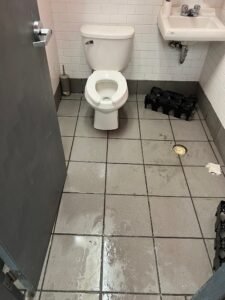
- Puddles on floors
- Damp drywall
- Sudden drops in water pressure
Locating the damaged section can help plumbers diagnose and repair the issue more quickly.
However, homeowners should avoid cutting into walls or attempting major repairs themselves.
Step 5: Remove Standing Water
Water damage worsens the longer moisture remains inside the home.
Begin removing standing water as soon as possible using:
- Towels
- Mops
- Wet vacuums
- Pumps
The goal is to limit water absorption into flooring, drywall, and structural materials.
Quick cleanup can significantly reduce restoration costs.
Step 6: Contact an Emergency Plumber
Once the immediate situation is under control, contact a professional emergency plumber in Toronto.
Emergency plumbers can:
- Locate hidden leaks
- Repair damaged pipes
- Replace broken sections
- Assess water damage risks
- Restore water service safely
Many Toronto plumbing companies offer 24/7 emergency response services specifically for burst pipe situations.
The sooner professional repairs begin, the lower the risk of extensive damage.
Common Causes of Burst Pipes in Toronto
Understanding why pipes burst can help homeowners prevent future emergencies.
Freezing Temperatures
Freezing is one of the leading causes of burst pipes in Toronto.
When water freezes inside a pipe, it expands.
This expansion creates pressure that can eventually cause the pipe to crack or rupture.
Areas particularly vulnerable include:
- Unheated basements
- Garages
- Exterior walls
- Crawl spaces
- Attics
Aging Plumbing Systems
Older homes often contain pipes that have deteriorated over time.
Common issues include:
- Corrosion
- Rust
- Mineral buildup
- Weak pipe joints
As pipes age, they become more susceptible to failure.
Excessive Water Pressure
High water pressure places additional stress on plumbing components.
Over time, excessive pressure can weaken pipes and increase the likelihood of ruptures.
Tree Root Intrusion
Underground water lines and sewer pipes may become damaged by tree roots seeking moisture.
Roots can crack pipes and create weak points that eventually fail.
Poor Installation
Improper plumbing installation can lead to:
- Loose connections
- Weak joints
- Misaligned pipes
Professional installation helps minimize these risks.
Warning Signs Before a Pipe Bursts
In some cases, homeowners receive advance warning that a pipe is failing.
Watch for these signs:
Unexplained Water Stains
Water stains on ceilings or walls may indicate hidden leaks.
Reduced Water Pressure
Sudden pressure drops can suggest pipe damage or leaks.
Discolored Water
Rusty or brown water may indicate corrosion inside older pipes.
Strange Plumbing Noises
Banging, rattling, or whistling sounds can signal pressure-related issues.
Increased Water Bills
Unexpected increases in water usage may point to hidden leaks.
Addressing these issues early may prevent a full pipe burst.
How Much Does Burst Pipe Repair Cost in Toronto?
Repair costs vary depending on:
- Pipe location
- Extent of damage
- Accessibility
- Water damage severity
- Emergency service requirements
Typical repair costs include:
| Service | Average Cost |
|---|---|
| Minor Pipe Repair | $250 – $600 |
| Pipe Replacement | $500 – $2,000+ |
| Emergency Plumbing Visit | $150 – $400 |
| Water Damage Restoration | $1,000 – $10,000+ |
The sooner repairs are completed, the lower the overall cost is likely to be.
Does Home Insurance Cover Burst Pipes?
Many homeowner insurance policies cover sudden and accidental water damage resulting from burst pipes.
Coverage may include:
- Water damage restoration
- Flooring replacement
- Drywall repair
- Personal property damage
However, coverage depends on:
- Policy details
- Cause of the pipe burst
- Maintenance history
Insurance providers may deny claims if negligence contributed to the damage.
Homeowners should contact their insurance company immediately after discovering a burst pipe.
How Professional Plumbers Repair Burst Pipes
The repair method depends on the extent of the damage.
Pipe Section Replacement
For localized damage, plumbers may remove and replace the affected section.
Pipe Rerouting
If a pipe is located in a difficult area, rerouting may be recommended.
Complete Pipe Replacement
Older plumbing systems with widespread deterioration may require full replacement.
Leak Detection Technology
Modern plumbers use advanced equipment to locate hidden leaks without unnecessary demolition.
This improves repair accuracy and reduces disruption.
How to Prevent Pipes From Bursting
Prevention is often far less expensive than emergency repairs.
Insulate Exposed Pipes
Pipe insulation helps protect plumbing from freezing temperatures.
Maintain Indoor Heating
Keep indoor temperatures consistent during winter, even when away from home.
Seal Drafts
Prevent cold air from reaching plumbing located near exterior walls.
Schedule Plumbing Inspections
Regular inspections can identify weak pipes before they fail.
Monitor Water Pressure
Installing a pressure regulator may reduce stress on plumbing systems.
Why Fast Action Matters
Time is critical when a pipe bursts.
Every minute water continues flowing increases the risk of:
- Structural damage
- Mold growth
- Electrical hazards
- Expensive restoration costs
Quick action combined with professional plumbing assistance can dramatically reduce both property damage and repair expenses.
Conclusion
So, what should you do if your pipe bursts in Toronto?
First, shut off the main water supply immediately. Next, ensure electrical safety, drain the plumbing system, remove standing water, and contact a licensed emergency plumber as quickly as possible. Acting fast can minimize water damage, reduce repair costs, and protect your home from long-term issues such as mold and structural deterioration.
Burst pipes are among the most serious plumbing emergencies homeowners face, but with the right response and professional assistance, the damage can often be contained and repaired efficiently. Whether the cause is freezing temperatures, aging plumbing, or excessive water pressure, investing in preventive maintenance and prompt repairs is the best way to protect your Toronto home year-round.